Educational Guide on Natural Care Routines
Explore the principles of natural wellbeing and plant-based care through educational content and informational perspectives.
Educational content only. No medical services. No promises of outcomes.
Introduction to Natural Care Routines
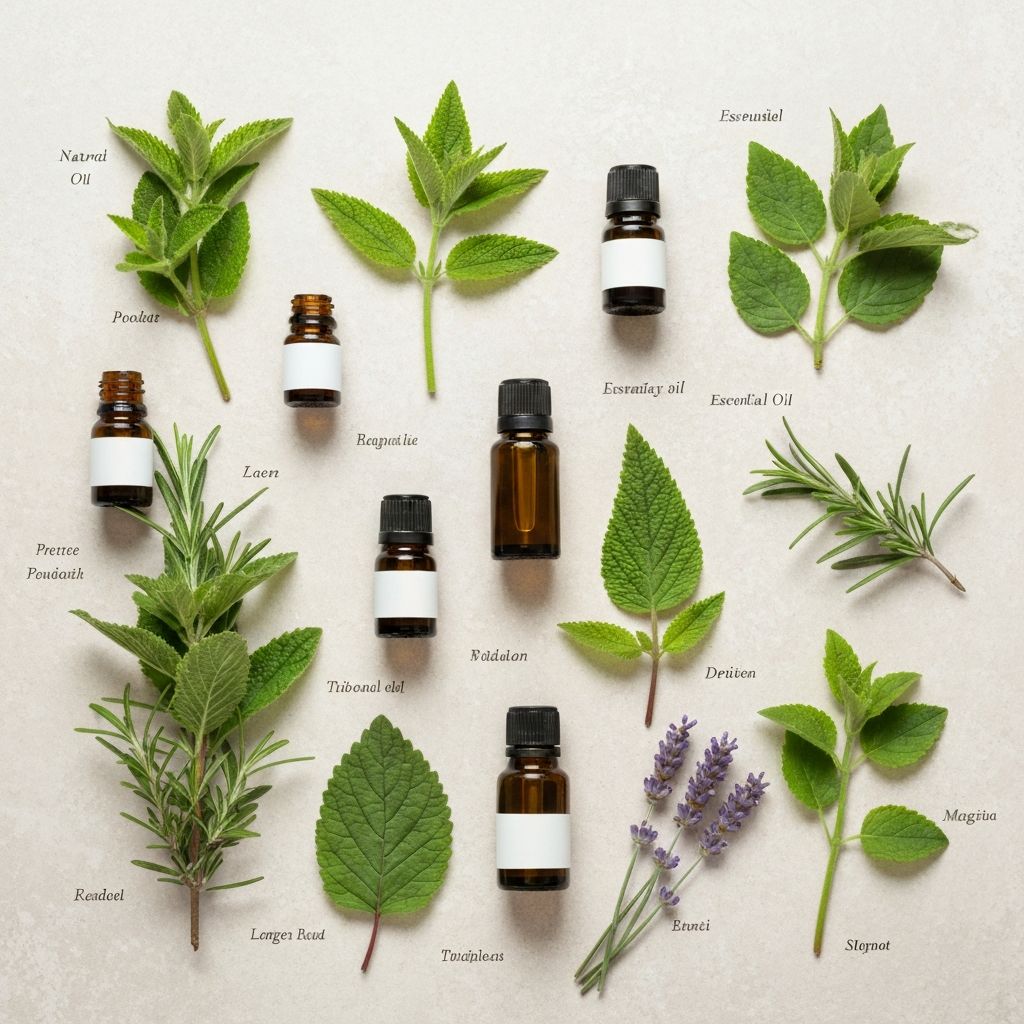
Natural care routines represent a broad field of knowledge encompassing traditional practices, plant-based ingredients, and lifestyle principles that have been part of human culture for centuries. This educational resource explores these concepts from an informational perspective.
Throughout history, different cultures have developed their own approaches to daily wellbeing, often drawing from local botanical resources and environmental wisdom. Understanding these diverse perspectives can provide valuable context for those interested in the cultural and historical aspects of natural care.
Our goal is to present factual information about natural ingredients, traditional practices, and contemporary educational perspectives on plant-based care routines.

Daily Self-Care Principles
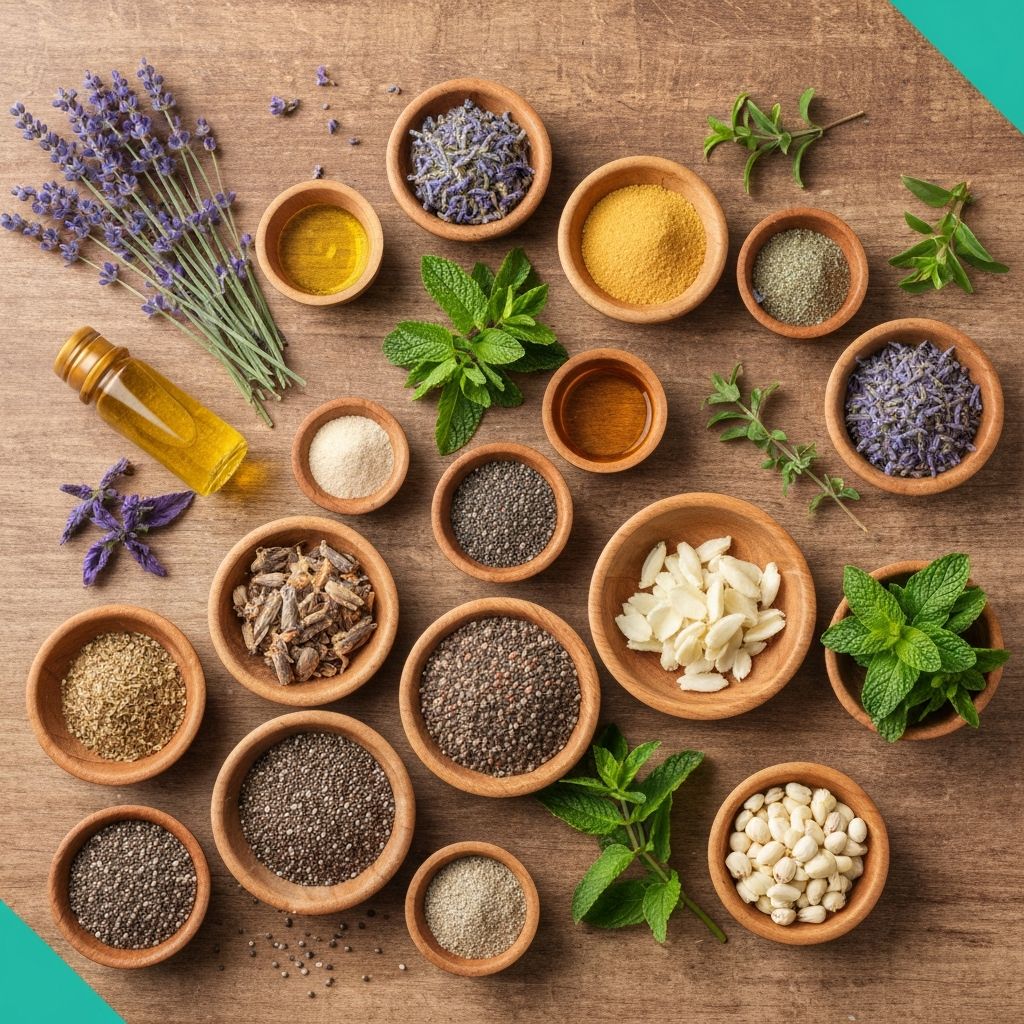
Daily self-care practices vary widely across cultures and individual preferences. From an educational standpoint, we can observe several common themes that appear in traditional and contemporary approaches to natural wellbeing.
- Consistency in daily routines and patterns
- Awareness of environmental factors and seasonal changes
- Integration of natural elements into living spaces
- Mindful selection of plant-based products
- Understanding of traditional botanical knowledge
These principles reflect general observations rather than prescriptive recommendations. Each individual's approach to daily care is unique and influenced by personal, cultural, and environmental factors.
Herbal and Plant-Based Ingredients
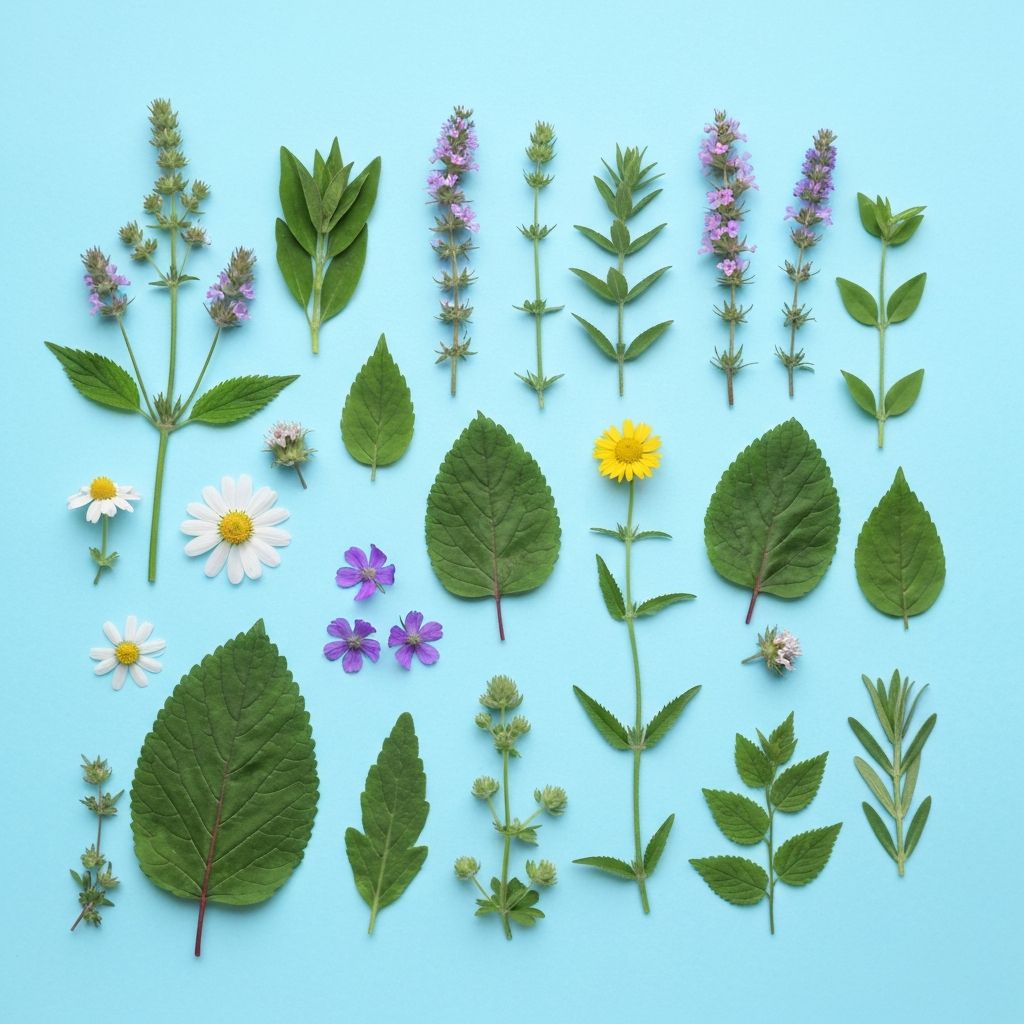
The plant kingdom offers an extraordinary diversity of botanical specimens that have been studied and utilized across different cultures. From an educational perspective, understanding the composition and traditional uses of various plants provides insight into human relationship with nature.
Common Natural Ingredients
Many plant-based ingredients have been documented in ethnobotanical research and traditional knowledge systems. These include essential oils derived from aromatic plants, herbal extracts from leaves and roots, natural oils from seeds and fruits, and botanical waters and infusions.
Academic research continues to explore the chemical composition of these natural materials, documenting their traditional uses across various cultures while respecting the complexity and diversity of plant biochemistry.
Nutrition and Lifestyle Context
Dietary Patterns
Nutritional approaches vary significantly across cultures and geographical regions. Traditional dietary patterns often reflect local food availability, seasonal variations, and cultural preferences that have evolved over generations.
Educational resources on nutrition typically emphasize the diversity of dietary approaches rather than promoting any single method. Understanding these variations provides cultural and historical context for food-related practices.
Lifestyle Factors
Contemporary lifestyle research examines various factors that may influence daily wellbeing, including sleep patterns, physical activity levels, social connections, and stress management approaches.
These factors interact in complex ways that are influenced by individual circumstances, cultural context, and personal preferences. Educational content explores these relationships from an informational rather than prescriptive perspective.
Environmental and Cultural Aspects
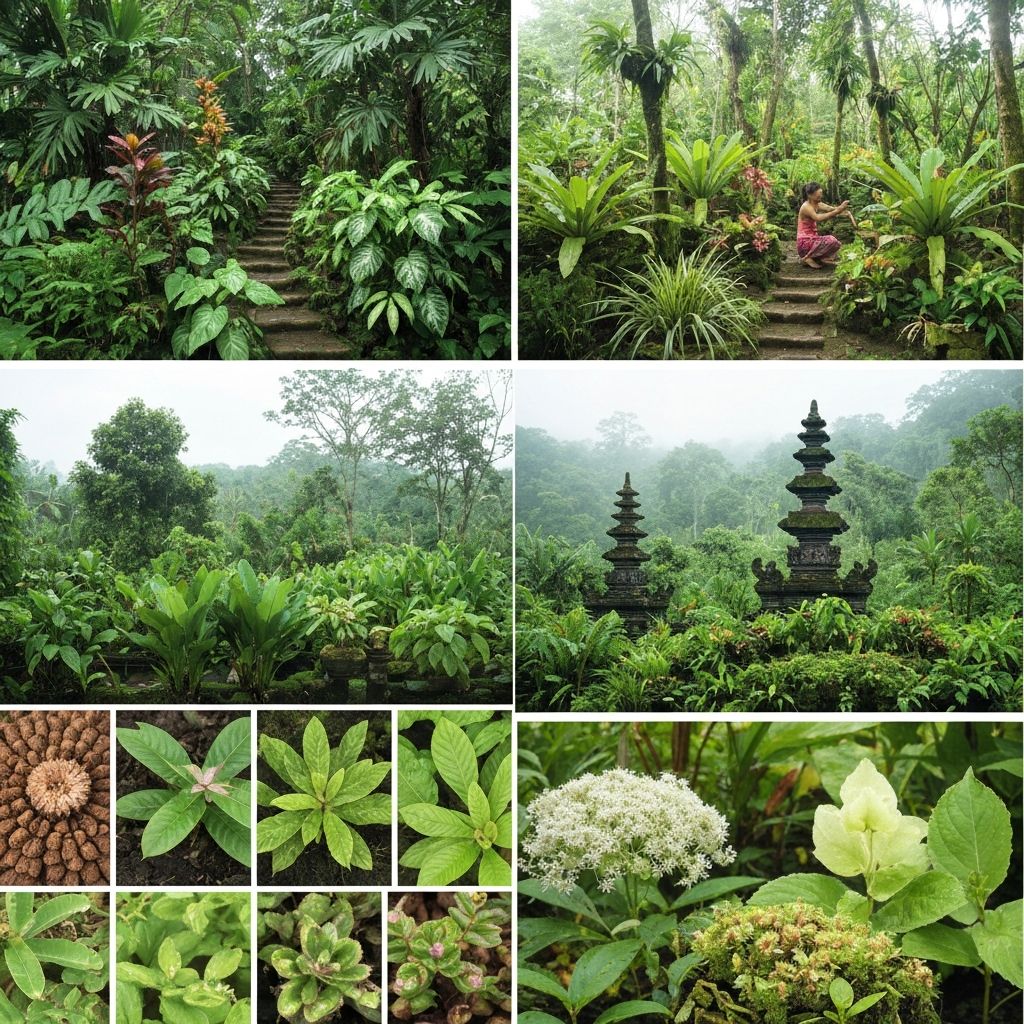
The relationship between humans and their environment has shaped care practices throughout history. In Indonesia and across Southeast Asia, tropical biodiversity has contributed to rich traditions of plant-based knowledge.
Regional Botanical Heritage
Indonesian archipelago hosts remarkable plant diversity, with many species featuring in traditional knowledge systems. Educational exploration of this heritage offers insights into cultural approaches to natural care and the historical relationship between communities and their botanical environment.
Cultural Perspectives
Different cultural traditions offer varied perspectives on wellbeing and natural care. Understanding these diverse viewpoints enriches our appreciation of human cultural diversity and the multiple ways people have approached questions of daily care throughout history.
Common Myths About Natural Care
Myth: Natural Always Means Safe
Many people assume that natural ingredients are inherently safe. However, natural origin does not guarantee safety or suitability for all individuals. Many natural substances can cause reactions or interactions.
Myth: One Approach Works for Everyone
Care routines are highly individual. What works in one cultural context or for one person may not be suitable for another. Educational content recognizes this diversity rather than promoting universal solutions.
Myth: Traditional Equals Effective
While traditional practices offer cultural and historical value, their existence does not constitute evidence of specific effects. Educational resources present traditional knowledge as cultural information rather than validated methods.
Informational Perspectives on Energy and Balance
Various cultural traditions have developed conceptual frameworks for understanding wellbeing that include ideas of energy, balance, and harmony. These concepts appear in traditional Chinese medicine, Ayurvedic systems, and other cultural approaches to understanding human experience.
From an educational standpoint, these frameworks represent interesting cultural perspectives on wellbeing rather than scientifically validated models. They offer insight into how different cultures have conceptualized and discussed aspects of daily life and self-care.
Cultural Concepts
Ideas such as vital energy, elemental balance, and harmonic principles appear across multiple cultural traditions. While these concepts may not align with contemporary scientific frameworks, they represent valuable cultural knowledge and historical approaches to thinking about wellbeing.

Limitations and Context
Important Information About This Resource
This website provides educational content only. It is essential to understand the following limitations:
- This resource does not provide medical advice, diagnosis, or treatment recommendations
- Content is presented for informational and educational purposes only
- Information should not replace professional medical consultation
- Individual circumstances vary significantly and require personalized consideration
- Traditional practices described are presented as cultural information, not validated methods
- Natural ingredients can cause adverse reactions in some individuals
- No outcomes or results are promised or implied
- This is an educational resource, not a service, program, or treatment system
For health-related concerns, always consult qualified healthcare professionals who can provide personalized guidance based on your individual situation.
Frequently Asked Questions
What is the purpose of this website?
BioRoutine is an educational resource that provides information about natural care routines, plant-based ingredients, and cultural perspectives on wellbeing. We present factual, educational content rather than offering services or recommendations.
Is this a commercial service or product?
No. BioRoutine is purely an educational website. We do not sell products, offer services, or provide any commercial offerings. Our content is informational only.
Can I use this information to make decisions about my care routine?
This website provides educational context and general information only. Any decisions about personal care should be made in consultation with qualified professionals who can assess your individual circumstances.
Do you provide personalized advice or recommendations?
No. We provide only general educational information. We do not offer personalized advice, individual recommendations, or consultations of any kind.
Where does your information come from?
Our content draws from publicly available educational sources, ethnobotanical research, cultural documentation, and general knowledge about natural ingredients and traditional practices.
Is natural care safe for everyone?
Natural does not automatically mean safe. Natural ingredients can cause reactions, interact with medications, or be unsuitable for certain individuals. Always exercise caution and consult professionals when considering any changes to your routines.
Additional Reading and References
For those interested in learning more about natural care routines and plant-based knowledge, numerous educational resources are available through academic institutions, botanical gardens, and cultural organizations.
Suggested Areas for Further Learning
- Ethnobotany and traditional plant knowledge
- History of botanical medicine across cultures
- Plant chemistry and phytochemistry basics
- Cultural anthropology of care practices
- Environmental factors in traditional knowledge
Many universities and research institutions offer open educational resources on these topics, providing scientifically grounded perspectives on plant-based knowledge and traditional practices.
Continue Learning
Explore more educational content about natural care routines and plant-based knowledge. This resource is regularly updated with new informational perspectives.
Learn More About This Project